


During the 2025 Clarens Arts Festival, the Clarens Heritage Association unveiled its third official Blue Plaque, this time honouring the Methodist Church of Clarens. The small sandstone church, standing quietly at the corner of Roos and Bester Streets, has been part of village life for nearly ninety years and continues to hold deep meaning for the local community.


Built in 1936, the Methodist Church was originally shared by both the Methodist and Anglican congregations of Clarens and surrounding farms. Its story reflects not only the history of faith in the area but also the spirit of cooperation that has long defined this village.
The church’s foundation was laid through the generosity and hard work of local families. The Clarens Council donated the land, while the Liddell and Walker families supplied stone from their farms and helped with the building. Hugo Walker, who also made the pews, fittings and furniture by hand, lost three fingers during the process—yet the church still stands as a lasting testament to his dedication. His mother, Emma Walker of St Fort, laid the cornerstone on 3 August 1936, placing coins and newspapers beneath it as a record for future generations.
Every part of the project was a community effort. Farmers donated materials and labour, a businessman from Bethlehem contributed funds, and when the doors opened, the final £40 of the £600 total had just been raised. Over the years, the church has welcomed both Methodist and Anglican services, its organ hand-pumped by Harry Mokoena and played by Maureen French, who served faithfully for decades.
The little church remains almost unchanged today. Its original beams, benches, pulpit, and stained-glass windows are still in place, and the same sense of peace and simplicity fills the space. The sandstone structure reflects the character of Clarens itself—strong, warm, and beautifully crafted.

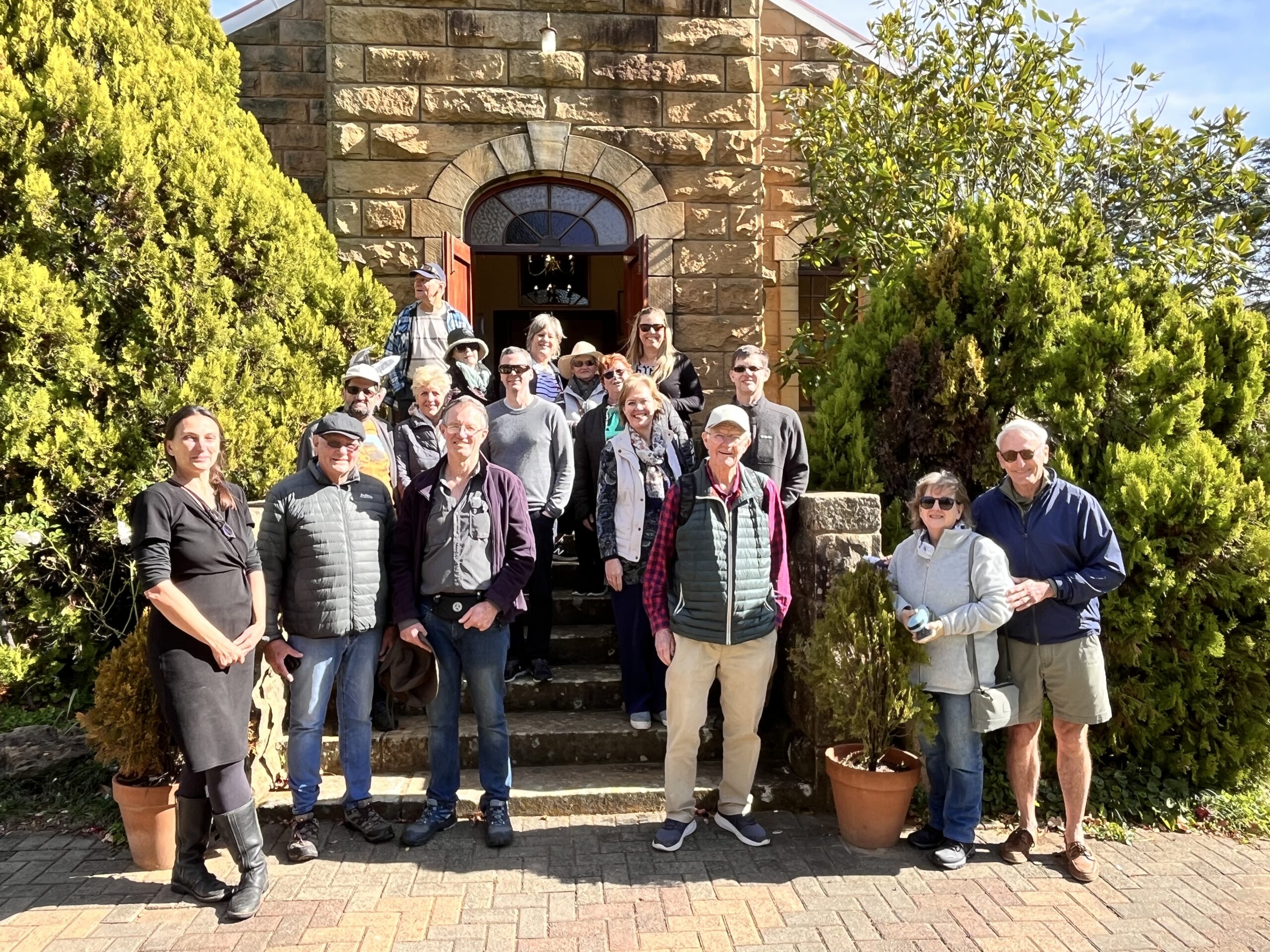

Designated under Section 38 of the National Heritage Resources Act, the site was recognised for its historical, cultural, and architectural significance. The building is an outstanding example of the village’s sandstone architecture and a true representation of the church buildings of its time.
The unveiling of the Blue Plaque during the Arts Festival not only celebrated the church’s place in Clarens’ story but also honoured the families and individuals who built it with such devotion. For residents and visitors alike, the plaque now serves as a visible reminder of a legacy of faith, craftsmanship, and community spirit that continues to shape the heart of Clarens.